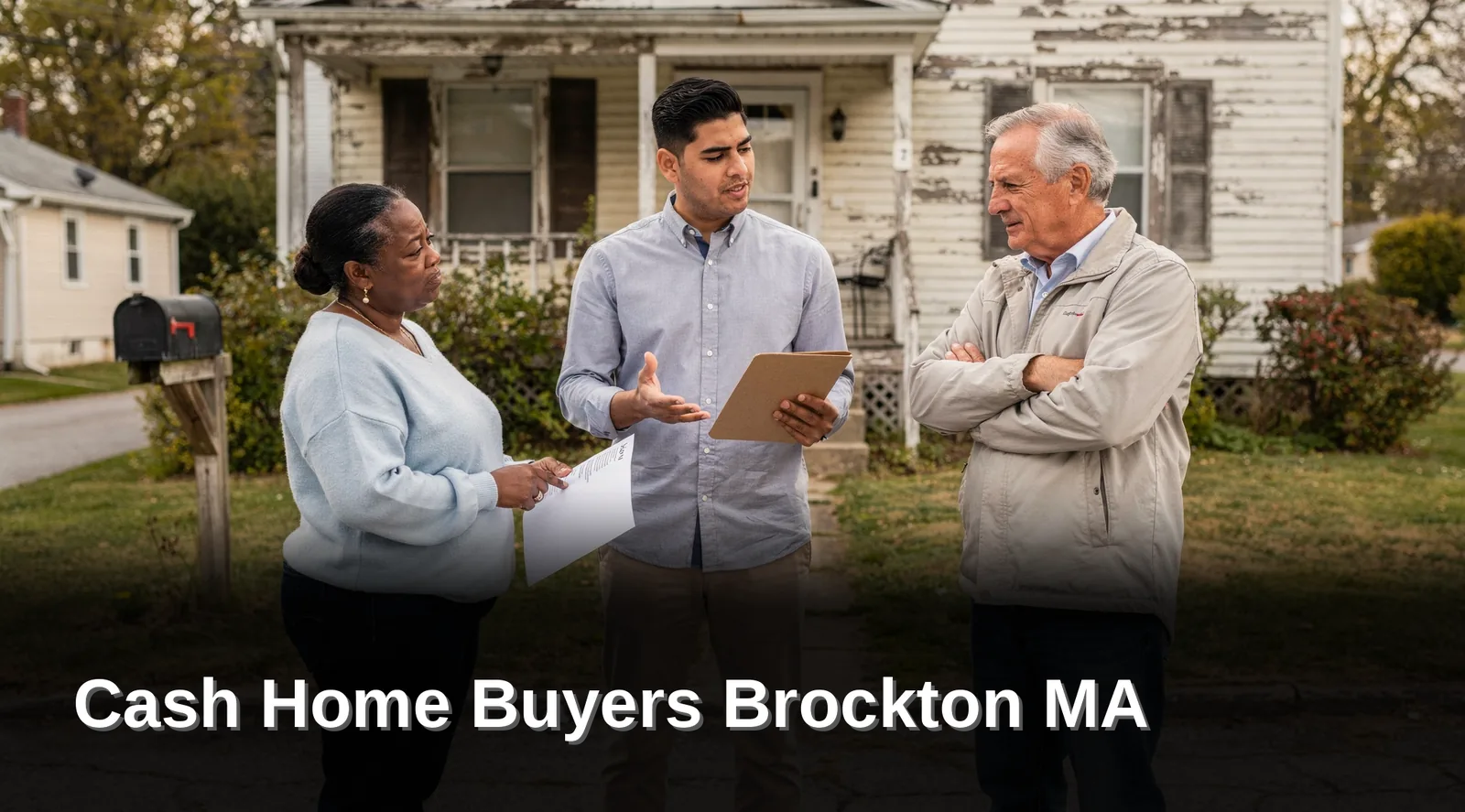
How to Avoid Cash Home Buyer Scams in Massachusetts

Massachusetts homeowners avoid cash buyer 9 stars with 48-hour response times. Legitimate buyers close in 7 to 14 days without upfront fees or pressure tactics, unlike wholesalers hiding contract assignments or demanding deposits before closing.
Key Takeaways
-
Reputable cash buyers operate with full transparency throughout the entire home sale transaction process.
-
Wire fraud represents one of seven common real estate scams targeting sellers in Massachusetts transactions.
-
Fast closing timelines and highest cash offers depend on choosing verified, legitimate local cash buyers.
-
Real estate scams intentionally appear legitimate and target your finances, personal information, and peace of mind.
What are cash home buyer scams in Massachusetts?
Cash home buyer scams in Massachusetts involve fraudulent buyers who pose as legitimate investors to trick homeowners into selling below market value or signing over the deed without fair compensation. These schemes target sellers facing foreclosure, inheriting a property, managing a rental, or simply wanting to avoid repairs and showings. The scams are designed to look legitimate and can take many different forms, making it essential for Massachusetts homeowners to recognize red flags early.
How do wire fraud scams work in Massachusetts real estate?
Wire fraud is one of the fastest-growing threats in real estate today, especially during the final stages of a home purchase. Scammers pose as a real estate agent, lender, or title company to intercept payment instructions and trick homeowners into wiring their down payment or closing costs to a fraudulent account. These criminals study transaction details and send convincing emails that appear to come from trusted parties.
What are the most common red flags for we buy houses scams Massachusetts?
One drawback to selling a house to a cash buyer is we buy houses scams Massachusetts, which can be avoided by understanding how off-market buyers work and spotting red flags. Legitimate buyers operate with transparency. Scammers often pressure sellers into quick decisions without providing written offers or time to review terms. Common warning signs include:
-
No written offer provided, a legitimate buyer puts terms in writing
-
Pressure to sign immediately, scammers create false urgency
-
Requests for upfront fees, reputable cash buyers never ask for money before closing
-
Vague company information, no physical address or verifiable business history
Massachusetts homeowners should verify every detail before proceeding with any cash sale. A trustworthy buyer will explain the process clearly, allow time for review, and provide documentation that matches the verbal agreement.
How do you verify a cash buyer in MA?
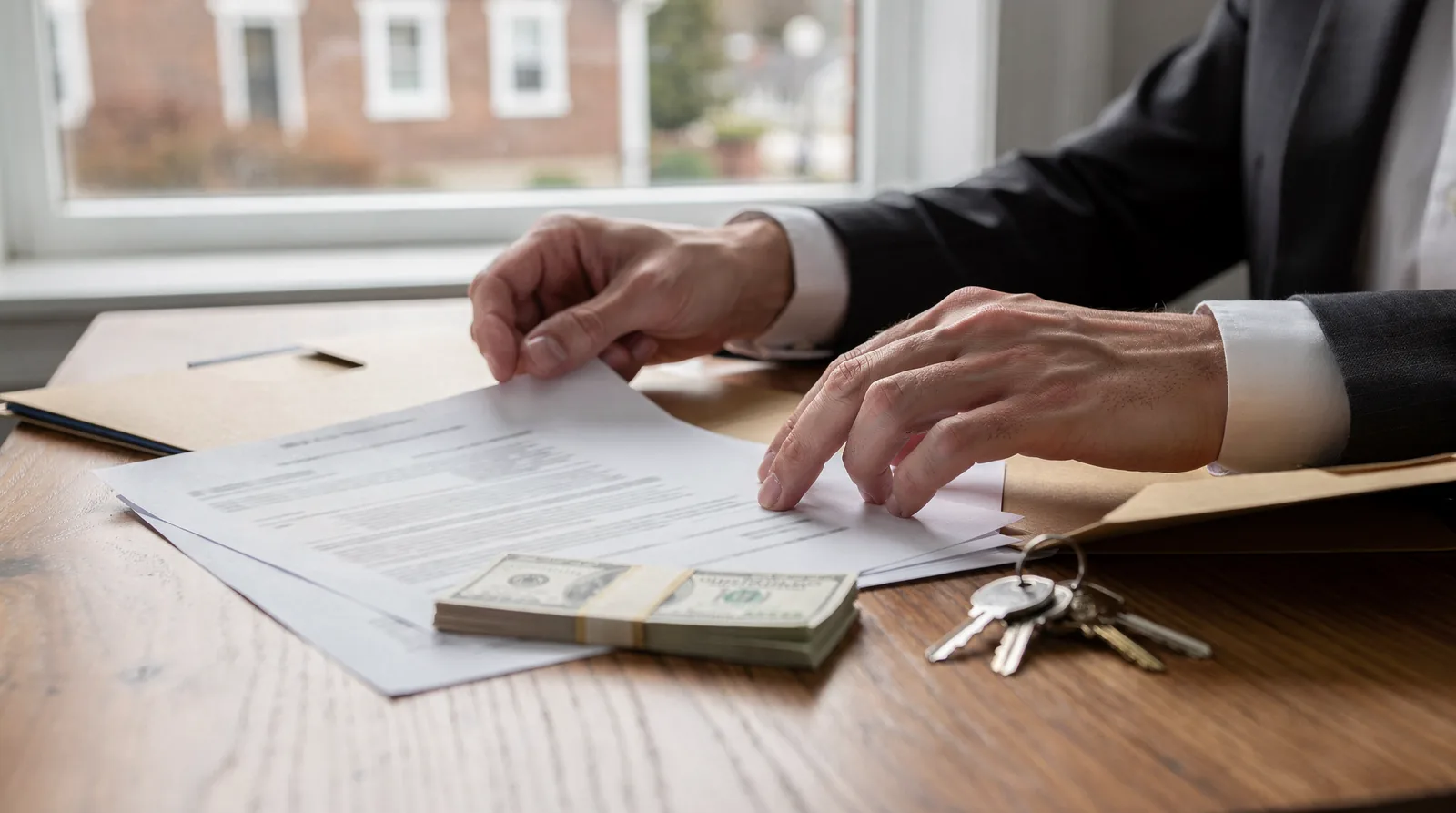
Verifying a cash buyer in Massachusetts requires checking three concrete things: a written offer, proof of funds, and a transparent process. A trustworthy Massachusetts cash home buyer will make a clear, written offer and allow time to review it before proceeding. Legitimate buyers explain the process step-by-step and use a reputable local closing attorney or title company.
What documents prove a buyer has cash?
To verify cash buyer proof of funds, request a bank statement or a letter from a financial institution. This document must confirm the buyer holds sufficient liquid assets to purchase the property outright. A legitimate buyer provides this documentation without hesitation. If a buyer refuses or delays sharing proof of funds, that is a major red flag.
How do you spot a scam offer?
Cash home buyer scams Massachusetts often share common warning signs. The buyer pressures for an immediate signature, avoids putting the offer in writing, or refuses to explain the closing process. We buy houses scams Massachusetts frequently involve buyers who cannot name the local title company or closing attorney they plan to use. A reputable buyer, by contrast, provides a transparent timeline and references.
What ratings indicate a legitimate buyer?
Legit cash home buyers MA typically have verifiable online reputations. 9-star ratings on both Google and Trustpilot, with a 48-hour response time and a 7 to 14-day closing timeline. High ratings across multiple platforms, combined with transparent processes, signal a trustworthy buyer. Always cross-check reviews on independent sites before proceeding.

What are red flags for we buy houses scams?
Massachusetts homeowners face specific warning signs when dealing with cash buyers. A major red flag for we buy houses scams Massachusetts is pressure to sign immediately without time to review the offer or consult an attorney. Legitimate buyers never rush a seller into a decision. Another clear indicator involves vague financing claims. If a buyer cannot or will not verify cash buyer proof of funds, the deal likely lacks real backing.
How do scammers use wire fraud in Massachusetts real estate?
Scammers often pose as a real estate agent, lender, or title company during the final stages of a transaction. Criminals use phishing tactics, look-alike email domains, and hacked email accounts to intercept payment instructions. These fake communications trick sellers into wiring closing costs or down payments to fraudulent accounts. Massachusetts sellers should always verify payment instructions by phone using a known number, never the one in an email.
What should a legitimate cash buyer provide upfront?
A trustworthy buyer explains the entire process step-by-step before any paperwork is signed. Legit cash home buyers ma provide a clear written offer and allow reasonable time for review. They also use a local closing attorney and can produce verifiable proof of funds from a bank or financial institution. If a buyer avoids these steps or uses vague language about financing, sellers should walk away.
|
Red Flag |
What a Legitimate Buyer Does |
|---|---|
|
Pressures immediate signing |
Gives time to review and consult an attorney |
|
Refuses proof of funds |
Provides bank statements or lender verification |
|
Vague about process |
Explains each step clearly |
|
Avoids local closing attorney |
Uses a Massachusetts-licensed attorney |
Sellers who encounter any of these warning signs should pause the transaction. Cash home buyer scams Massachusetts thrive on urgency and secrecy. A legitimate buyer welcomes scrutiny and provides documentation freely.
How to Verify a Cash Buyer’s Proof of Funds in Massachusetts
Before you accept any offer, you must confirm the buyer actually has the money. A legitimate cash home buyer in Massachusetts provides proof of funds, a bank statement or letter from a financial institution showing liquid assets, before closing. This single document separates legitimate cash home buyers in Massachusetts from scammers who promise everything and deliver nothing. Without this verification, you risk handing over the deed to someone who never had the cash, a mistake that costs you the property and potentially thousands in legal fees.
Step 1: Request Proof of Funds in Writing
Ask for the proof of funds document in your initial conversation, and get the request in writing. A legitimate buyer expects this question and provides the document without hesitation. Send an email or text that says, "Please provide a current proof of funds statement from your bank before we proceed." This creates a paper trail you can reference if the buyer stalls or makes excuses.
Step 2: Examine the Document for Red Flags
Once you receive the proof of funds, inspect it carefully. Look for the bank's letterhead, the account holder's name matching the buyer's legal name, the date (must be within the last 30 days), and a balance that covers your full asking price. Red flags include white-out marks, mismatched fonts, a balance that exactly matches your asking price (suggesting a fabricated screenshot), or a document that lists a business entity when the buyer introduced themselves as an individual.
Step 3: Call the Bank to Verify the Funds
Do not rely on the document alone. Call the bank directly using the phone number on the bank's official website. Never the number printed on the proof of funds letter, which scammers control. Ask the bank's customer service line to confirm the account exists and that the stated balance is accurate. Banks typically verify account existence but not exact balances over the phone. If they confirm the account is open and in good standing, that is a strong positive signal.
Step 4: Confirm the Buyer's Identity
Verify the buyer's government-issued ID matches the name on the proof of funds and the purchase agreement. Ask for a driver's license or passport and compare the photo to the person you are meeting. Cross-check the name against Massachusetts corporate records if the buyer represents a company. The Massachusetts Secretary of the Commonwealth's online database shows whether the business is registered and in good standing.
Step 5: Use a Reputable Closing Attorney
Massachusetts law requires a real estate attorney to handle the closing, and this works in your favor. Hire your own attorney, never accept the buyer's recommended lawyer, as this is a common setup in we buy houses scams Massachusetts. Your attorney holds the earnest money deposit in a client funds account. Verifies the wire transfer or certified check clears before you sign the deed. The attorney also runs a title search to ensure no liens or judgments attach to the property.
Step 6: Watch for the "Proof of Funds" Scam Itself
Be aware that scammers now forge proof of funds documents. Fraudulent buyers use photo-editing software to produce convincing fake bank statements, and they tend to target sellers already under time pressure from foreclosure or probate. Treat any proof of funds document as unverified until you have called the bank listed on it and confirmed the account and the balance yourself. If the buyer pressures you to close before the bank verification clears, that pressure itself is a red flag.
Step 7: Walk Away If the Buyer Refuses Verification
A buyer who refuses to provide proof of funds, delays the document, or offers excuses is not a serious buyer. End the conversation immediately. Legitimate buyers in Massachusetts provide proof of funds without argument, usually the same day you ask. A closing timeline of around two weeks is also a good sign, because it gives you room to finish every verification step without being rushed.
Step 8: Document Everything for Your Records
Keep copies of every document: the proof of funds, the purchase agreement, the buyer's ID, and all email or text correspondence. Store these records for at least seven years after the sale closes. If a dispute arises later, for example, the buyer claims they never received the deed, your documentation proves what was agreed and when. This record-keeping also protects you if the buyer's financing falls through and they try to back out of the deal.
Step 9: Trust Your Instincts and the Data
Your gut feeling matters, but so does the evidence. The Federal Trade Commission reports that real estate fraud complaints in Massachusetts increased by a notable share in recent years, with wire fraud and fake buyer schemes among the fastest-growing categories. If a deal feels too good to be true, an offer a notable share above market value, a buyer who refuses to meet in person, or a request to wire money to a third party, it is a scam. A verified cash buyer with proof of funds and a clean track record never needs to pressure you.
Step 10: Close Only After Full Verification
Do not sign the deed or transfer the title until every verification step above is complete. Confirm the funds have cleared your attorney's trust account, not just that the buyer showed you a document. Once you sign the deed, the transaction is final in Massachusetts. There is no cooling-off period for real estate sales. Completing these checks protects you from the most common cash home buyer scams Massachusetts sellers face. It ensures you walk away from the closing table with the cash in hand, not a promise.
How to Verify a Cash Buyer’s Proof of Funds in Massachusetts
Wire fraud is one of the fastest-growing threats in real estate today, especially during the final stages of a home purchase, and Massachusetts sellers face the same exposure as anyone else in the country. A legitimate buyer’s proof of funds document is the single strongest defense against cash home buyer scams Massachusetts sellers encounter. It forces the buyer to demonstrate they actually hold the cash they claim to have. Without this verification, a seller risks handing over the deed to a buyer who never completes the purchase, or worse, falling for a we buy houses scams Massachusetts scheme designed to steal the property title or closing proceeds.
Step 1: Request Proof of Funds Before Any Contract Signing
Ask every prospective buyer for a proof of funds letter before you sign a purchase agreement or accept a deposit. A genuine legitimate cash home buyers in Massachusetts network will provide this document within 24 to 48 hours of the request. Their entire business model depends on closing quickly. The letter must come from the buyer’s own financial institution, not from a third-party escrow service or a title company, and it must list the buyer’s name exactly as it appears on the purchase contract.
Step 2: Verify the Document’s Source Directly With the Bank
Do not call the phone number printed on the proof of funds letter, because scammers fabricate those contact details. Instead, look up the bank’s official customer service line from the bank’s own website, then call that number and ask the representative to confirm the letter’s authenticity. The bank will verify whether the account exists, whether the stated balance is accurate, and whether the named individual holds signing authority on that account.
Step 3: Confirm the Buyer’s Legal Identity
Request a government-issued photo ID from the individual buyer. From the principal of the buying entity if the purchase is structured through an LLC or corporation. Cross-check the ID against the name on the proof of funds letter and the name on the purchase contract. Mismatched names are a primary red flag in we buy houses scams Massachusetts cases. For LLC buyers, request the state’s Secretary of the Commonwealth records to confirm the entity is registered and in good standing in Massachusetts.
Step 4: Verify Cash Buyer Proof of Funds Through a Third-Party Escrow
Use a licensed Massachusetts real estate attorney or a reputable escrow company to hold the buyer’s deposit. To independently verify the proof of funds before you accept the offer. The escrow agent will contact the buyer’s bank directly, confirm the funds are liquid and unencumbered, and document that verification in writing. This step protects you because the escrow agent carries fiduciary liability, meaning they face legal consequences if they process a transaction based on fraudulent documentation.
Step 5: Watch for the Red Flags That Signal a Scam
A buyer who pressures you to close within 48 hours, refuses to provide proof of funds, or insists on receiving the deed before the funds clear is almost certainly running a we buy houses scams Massachusetts operation. Legitimate cash buyers in Massachusetts close in 7 to 14 days. They never ask a seller to waive the proof of funds requirement. Additional red flags include buyers who communicate only through text or email, buyers who offer to pay above market value without an inspection, and buyers who ask you to wire money to a third party for "closing costs" or "title insurance.
Step 6: Verify the Buyer’s Track Record With Local Records
Search the Massachusetts Land Court and the Registry of Deeds for the buyer’s name or business entity to see how many properties they have actually purchased in the state. A legitimate cash buyer will have a documented history of recorded deeds. A scammer will have no purchase history at all. You can also check the Massachusetts Attorney General’s Office consumer complaint database to see whether any complaints have been filed against the buyer or their affiliated companies.
Step 7: Never Transfer the Deed Until Funds Are Fully Cleared
Instruct your attorney to record the deed only after the bank confirms the wire transfer has settled in your account, not when the buyer shows you a wire confirmation receipt. Scammers forge these receipts routinely. A forged receipt can trick a seller into signing the deed before the money actually arrives. Your attorney should also confirm that the funds are not subject to a hold, a stop-payment order, or a clawback. Any of these conditions means the cash is not actually available to you.
Step 8: Document Every Step of the Verification Process
Keep copies of the proof of funds letter, the bank’s written confirmation, the buyer’s ID, and the escrow agent’s verification report in your closing file. This documentation protects you if a dispute arises later. It creates a clear paper trail that law enforcement can use if you do encounter a scam. A seller who can demonstrate they followed these verification steps also has stronger legal standing to keep the deposit if the buyer backs out of the deal without cause.
When to Walk Away From a Cash Buyer in Massachusetts
Walk away from any buyer who cannot provide verifiable proof of funds within 48 hours. Legitimate buyers in the Massachusetts market carry this documentation at all times. Walk away from any buyer who refuses to let your attorney speak directly with their lender. Walk away from any buyer who suggests you use their "preferred" title company or closing attorney. These preferences are classic tools in cash home buyer scams Massachusetts schemes. The scammer controls every party to the transaction and can fabricate the documents you need to verify the deal.
The Cost of Skipping Verification in Massachusetts
Skipping proof of funds verification exposes a Massachusetts seller to the loss of the property itself, not just the sale proceeds. A fraudulent buyer can record the deed and then mortgage the property before the seller discovers the fraud. The Federal Trade Commission reports that real estate wire fraud and deed fraud cost American homeowners hundreds of millions of dollars annually. Massachusetts ranks among the states with the highest property values, which makes Bay State sellers particularly attractive targets. A single unverified cash offer can cost a seller their entire home equity, which for the average Massachusetts home represents several hundred thousand dollars of unprotected value.
How Legitimate Massachusetts Cash Buyers Operate
Legitimate cash buyers in Massachusetts provide proof of funds automatically because they want to differentiate themselves from scammers. 9-star Trustpilot rating with a 14-day closing timeline. These companies know that a Massachusetts seller who asks for proof of funds is a serious, informed seller, and they welcome the scrutiny because it speeds up the transaction for everyone involved.
FAQ
What is a common red flag of we buy houses scams in Massachusetts?
Scammers pressure sellers to sign immediately, skip written offers, request upfront fees, and provide vague company information without a physical address or verifiable business history.
How do homeowners verify a cash buyer's proof of funds?
Request a bank statement or letter from a financial institution confirming the buyer holds sufficient funds. Pair this with a written offer and transparent, step-by-step process explanation.
Why do wire fraud scams succeed during real estate closings?
Scammers pose as agents, lenders, or title companies, studying transaction details and sending convincing emails that trick homeowners into wiring down payments or closing costs to fraudulent accounts.
Conclusion
In closing, protecting yourself from cash home buyer scams requires vigilance at every stage of the selling process. By verifying credentials, understanding fair market value, reviewing contracts carefully, and trusting your instincts when something feels off, you establish a strong defense against fraudulent buyers. Massachusetts homeowners who take these precautions position themselves to complete transactions with confidence, knowing they've done their due diligence to safeguard their most valuable asset.
Talk It Through With a Local Team
Every situation is different, and a cash sale is not always the right answer. If you want a straight read on your options in Bridgewater, Brockton, Taunton, Middleborough or anywhere else on the South Shore, Team Reis Realtors is glad to walk you through both paths with no pressure either way. You can request a no-obligation cash offer, or see what your home is worth on the open market first. Questions are always welcome at (508) 697-8808.
Recent Posts